Water Resource Management
Sigma Flow
Water Resource Management
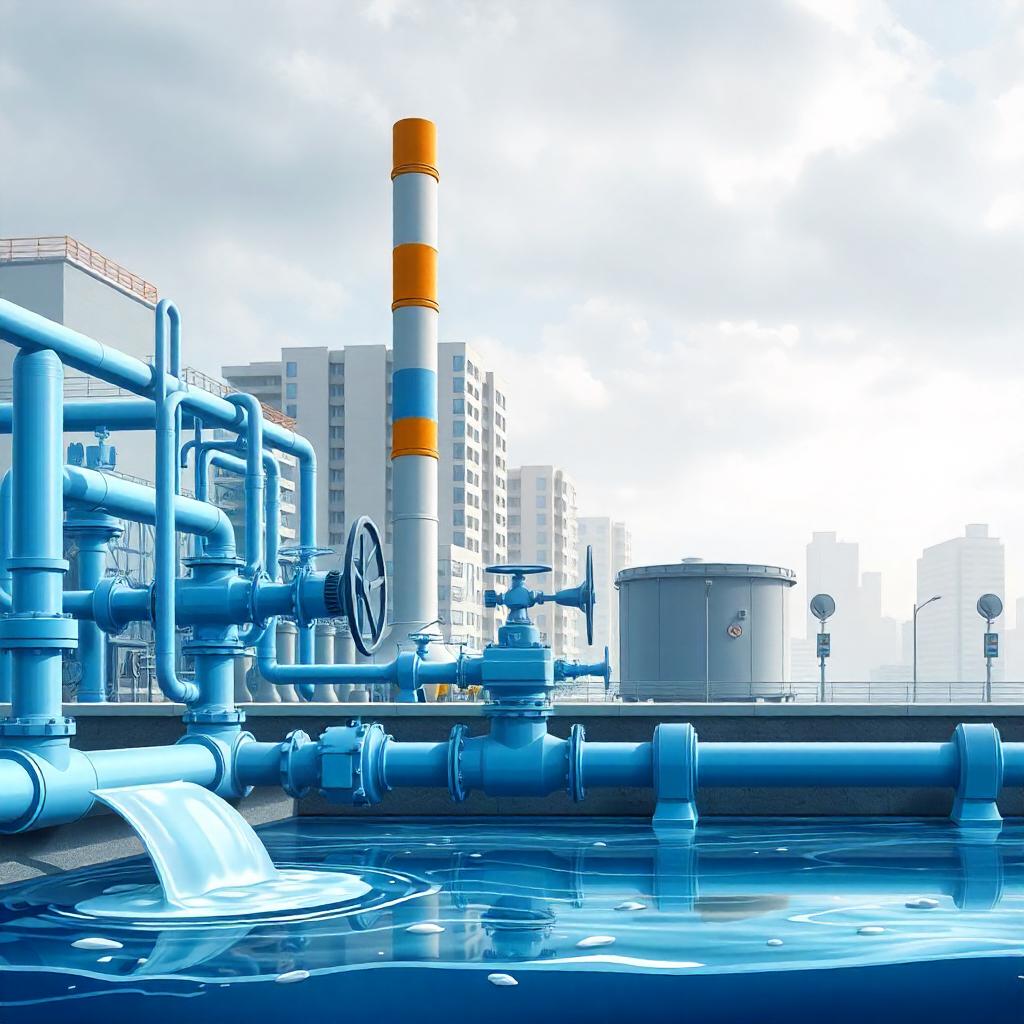
Water Resources Management is the process of planning, developing, and managing water resources, in terms of both water quantity and quality, across all water uses. It includes the institutions, infrastructure, incentives, and information systems. Obtaining clean drinking water from rivers, lakes, reservoirs or ground water is a basic prerequisite of life on earth. Water Resource Management is one of the focus areas at SIGMAFLOW; be it providing supplying various conventional and control valves or executing electro-mechanical works in pumping stations and distribution networks.
Topographic Complexity
The varied landscape affects water flow.
Network Connectivity
The intricate connections between different systems.
Regulatory Systems
Different functional regulatory frameworks complicate management.
Demand Variability
Fluctuations in water demand over time and space.
Pipeline Friction
The interaction between water and pipeline surfaces.
Non-Revenue Water
High percentages of water that do not generate revenue.
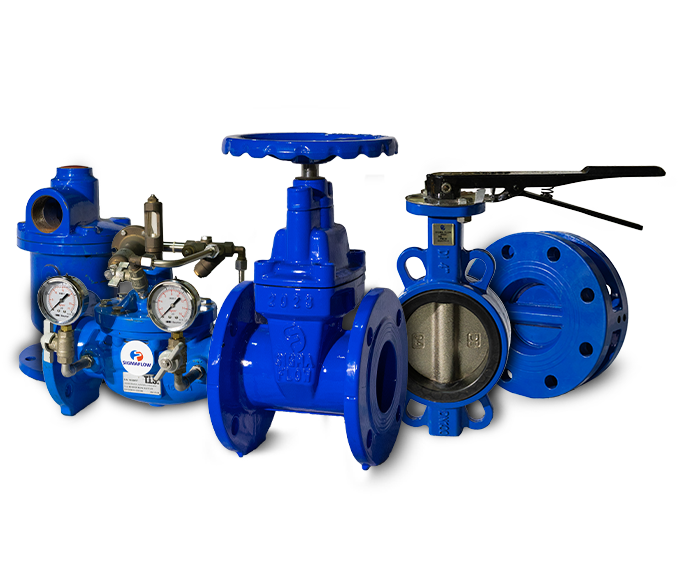
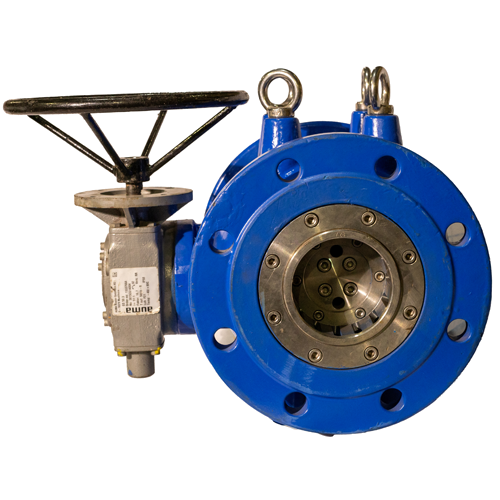
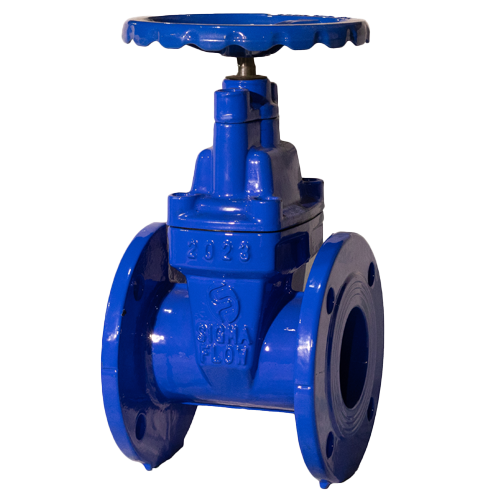
At Sigma Flow, we specialize in providing reliable isolation valves, including gate valves and butterfly valves, designed to minimize service disruptions during maintenance and repair. These valves are strategically placed to ensure that sections of the network can be isolated with minimal inconvenience to other service areas.
Services
Tailor made digital products and creative solutions for businesses.
Through a deep understanding of our audience’s makeup and motivations, we design digital experiences that connect with people.
Air Valves
Butterfly Valves
Gate Valves
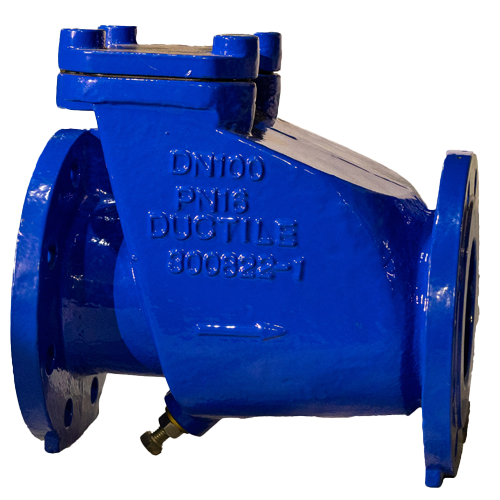
Non-Return Valves
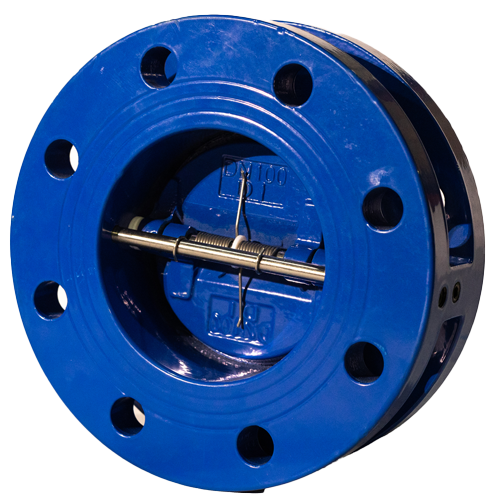
Control Valves
Control valves are integral to managing flow and pressure within the distribution system.
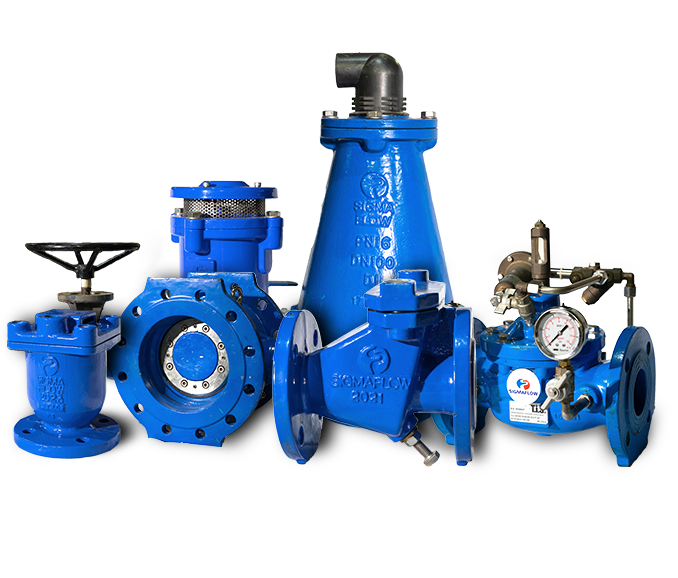
They are sized based on the desired flow rates, upstream and downstream pressure differentials, and flow velocities. SIGMAFLOW offers a variety of control valves, including pressure-reducing, pressure-sustaining, pressure-relief, flow-control, throttling, and float valves.
For maintaining optimal flow
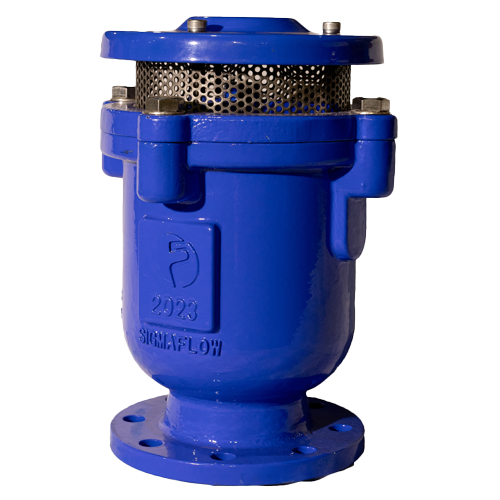
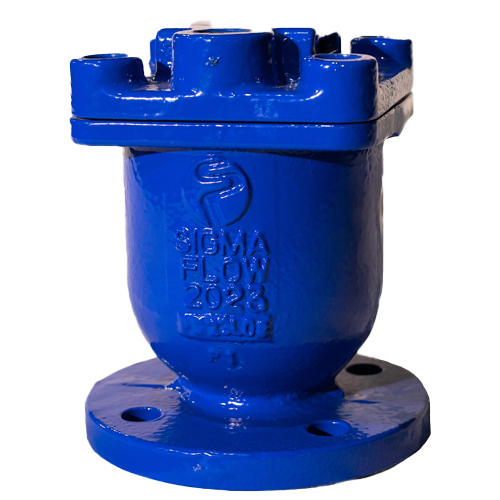
Additionally, air release valves, essential for maintaining optimal flow, are installed at high points or gradient changes in the main pipeline. SIGMAFLOW provides a comprehensive range of air valves specifically designed for distribution lines.
Challenges Impacting Water Resource Management
Water resource management involves planning and controlling water usage to meet demand. Key challenges include scarcity, pollution, climate impacts, and overuse, requiring sustainable practices to ensure future water security
- 1. Water Scarcity: Rising demand from population growth, agriculture, and industry strains limited freshwater supplies, creating widespread shortages.
- 2. Pollution: Contamination from industrial discharge, agricultural runoff, and untreated sewage degrades water quality, reducing usable resources.
- 3. Climate Change: Altered rainfall patterns, droughts, and extreme weather events disrupt water availability and exacerbate existing management challenges.
- 4. Over-Extraction: Excessive groundwater withdrawal depletes reserves, causes land subsidence, and threatens long-term water sustainability.
- 5. Inefficient Infrastructure: Aging systems and poor maintenance lead to water loss, reduced supply reliability, and increased management costs.
Strategies for Enhancing Raw Water Applications Efficiency
Effective water resource management strategies include conservation, recycling, pollution control, sustainable infrastructure, and public awareness, ensuring reliable water availability for agriculture, industry, and communities while protecting ecosystems.
- 1. Water Conservation: Promote efficient use of water in households, industries, and agriculture through awareness campaigns and sustainable practices.
- 2. Recycling and Reuse: Implement wastewater treatment systems to recycle water for irrigation, industrial use, and non-potable applications, reducing resource strain.
- 3. Sustainable Infrastructure: Invest in modernizing water distribution systems to minimize leaks, enhance storage, and improve overall efficiency.
- 4. Pollution Control: Strengthen policies to regulate industrial discharge and agricultural runoff, ensuring cleaner water sources and reduced contamination.
- 5. Climate Resilience: Develop strategies to address climate change impacts, such as flood management, drought mitigation, and sustainable water storage solutions.
Efficient Water Management with Valves
Valves are vital in water resource management, ensuring efficient flow control, minimizing waste, and maintaining pressure in distribution systems. They play key roles in irrigation, municipal supply, and flood control, preventing leaks and enabling safety measures. Our advanced valve solutions optimize water usage, enhance sustainability, and ensure reliability.